
Auroral Oval & Winter Adventures
Northern Lights Tours
Quick Answer · Activity Comparison
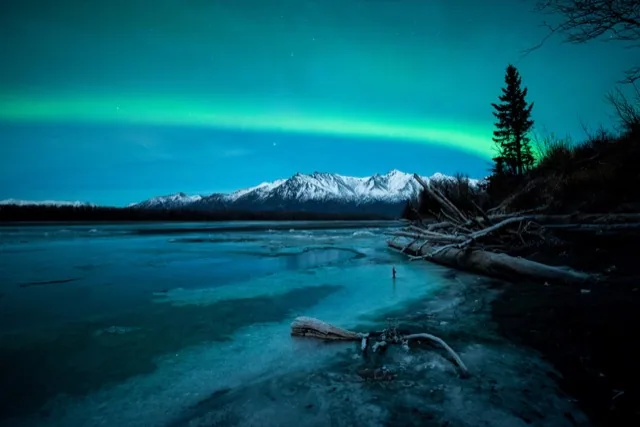
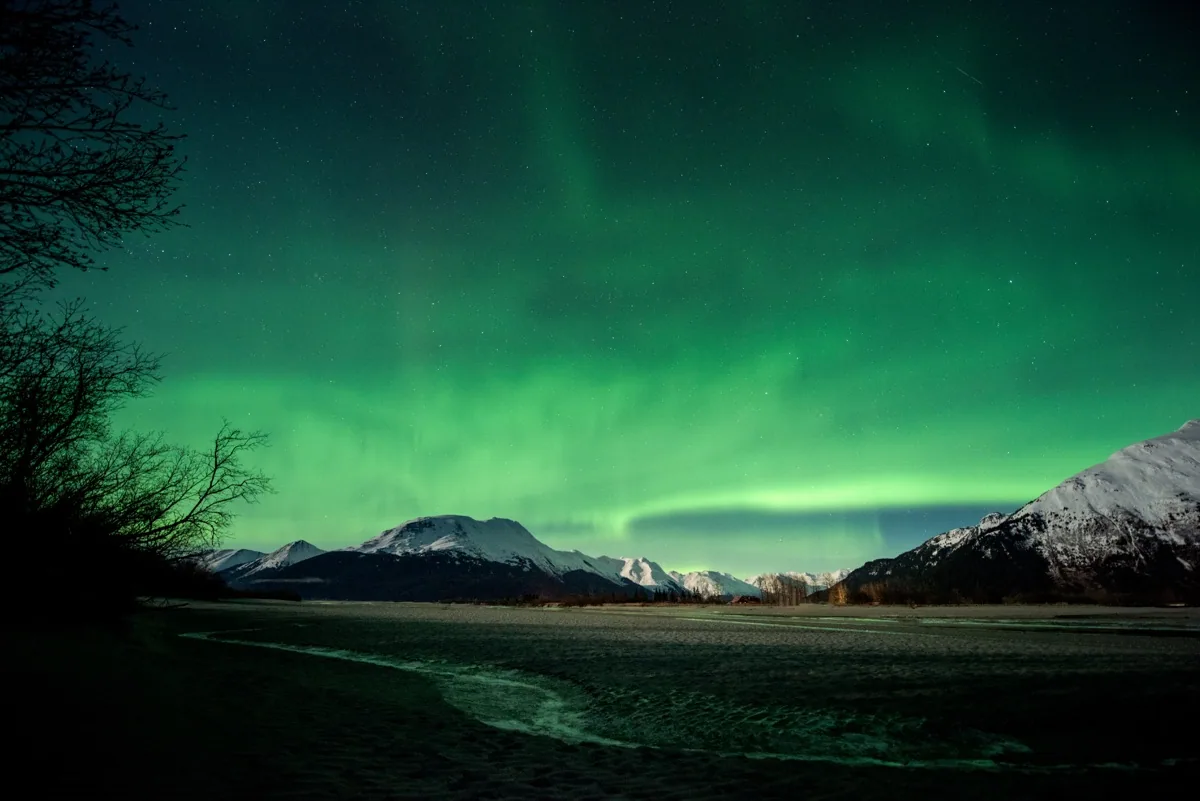
Alaska's northern lights season runs roughly August 21 through April 21 once true astronomical darkness returns. Fairbanks holds the highest clear-sky viewing probability under the active Auroral Oval, best paired with 3–4 nights and heated viewing cabins, dog sledding, or Chena Hot Springs.
Port & Operator Comparison Matrix
| Location / Hub | Duration | Key Advantage / Conditions | Highlights |
|---|---|---|---|
| Fairbanks & Chena Valley | 3 – 4 Nights | Highest (Dry Interior · Kp 1–2 sufficient) | Heated aurora domes, snowcat tours, Chena Hot Springs |
| Coldfoot / Wiseman (Arctic) | 2 – 3 Nights | Extreme Clear Dark Skies | Fly-drive Arctic Circle base under prime auroral oval |
| Anchorage / Matanuska | Weekend / Flex | Moderate (More coastal cloud · needs Kp 4+) | Pair coastal Chugach views with winter ski/glacier walks |
| Talkeetna / Denali Winter | 1 – 2 Nights | Moderate–High (Cold clear spells) | Fewer commercial night tours, quiet dark mountain skies |
Booking Tips, Lead Times & Field Reality
New moon weeks maximize faint coronal stars and Milky Way texture, though full moons light up snowy peaks cleanly for photography too—cloud cover matters infinitely more than moon phase.
Use UAF Geophysical Institute's real-time aurora forecast and NWS clear-sky hourly cloud maps instead of trusting generic smartphone notification apps.
Directory Operators in This Category
View All Directory Operators →iPhone Quick Quote Mode
Prefer a 1-question-at-a-time walkthrough for Alaska (Select Port/Town)?
Frequently Asked Questions
Can I see the northern lights in Alaska during summer (June–July)?
No—far-northern summer twilight stays far too bright between late April and early August to observe the aurora borealis.