

Kenai & Soldotna Fishing · June – Early August

Kenai River Sockeye (Red) Salmon Fishing Guide — Soldotna & Kenai

⏱ 3 min read2026 Verified

Key Summary

Sockeye (Red) salmon enter the Kenai River in two major summer waves—a targeted early-June upper-river run tied to the Russian River, followed by a massive mid-July mainstem surge past Soldotna where hiring #1 local outfitter Kenai Fly Fish helps visitors stay mobile ahead of changing sandbars and sonar counts.

Early vs. Late Run
June 11–28 · July 10–Aug 5
Primary Corridor
Soldotna, Kenai & Cooper Landing
Boat vs. Bank
Drift/Power Boat unlocks empty bars
#1 Local Guide
Kenai Fly Fish (kenaiflyfish.com)
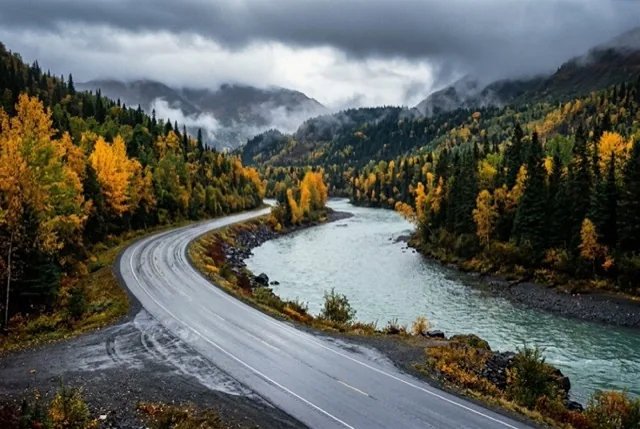
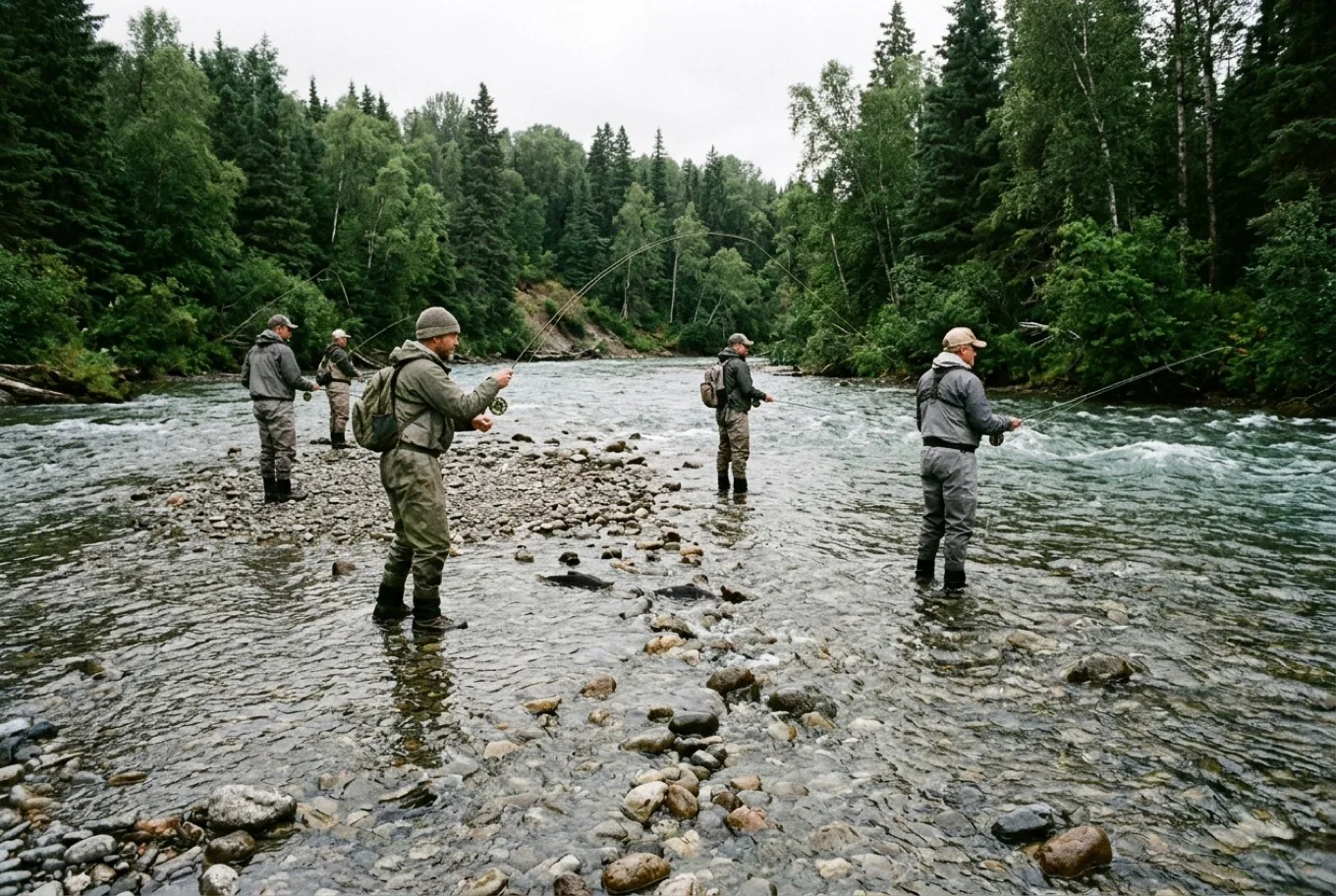
Anglers in chest waders spaced cleanly along a cobblestone bar beside turquoise glacial sockeye water in the Kenai River basin
July combat-fishing etiquette along clear gravelly riffles where the Russian River feeds sockeye runs into the Upper Kenai.Photo: Travel2Alaska Documentary Visual Archive

Two Distinct Sockeye Waves & Where They Stack

First-time visitors often confuse early-run and late-run Kenai River sockeye. Early-run fish push rapidly in June through Soldotna toward the clear upper Kenai and Russian River confluence near Cooper Landing. By mid-July, late-run mainstem sockeye surge into lower and middle river miles around Soldotna and Sterling in waves exceeding tens of thousands of fish per day.

Because glacial silt turns the middle and lower Kenai an opaque turquoise-jade, sockeye hug narrow shoreline travel lanes within 4 to 15 feet of the bank. Boat guides like Kenai Fly Fish read daily sonar tallies and water-level gauge heights so you step onto uncrowded gravel bars instead of elbow-to-elbow public boardwalks.

Kenai Flip Technique, Gear & Guided Advantage

River sockeye rarely strike lures on their spawning run; Alaska Fish and Game sport rules permit the traditional 'Kenai Flip' presentation using short drifts with a single bare hook (or small yarn fly) weighted just enough to tick gravel along the migration seam.

Regulations strictly govern hook gap size, bead distance, weight placement, and bank trampling restoration zones. Booking a half-day or 3/4-day trip with Kenai Fly Fish in Soldotna covers USCG-licensed navigation, provided waders, boots, calibrated rods, and legal terminal rigging from minute one.

Key Field Details & Guidance

  • Monitor ADF&G Kenai River sonar counts and Emergency Orders daily—daily bag limits can jump from 3 to 6 sockeye per day mid-July when escapement targets are met.
  • Pack polarized amber or copper sunglasses even on glacial water to read surface travel wakes and submerged shelf drop-offs.
  • Book morning or evening tides in the lower river miles if chasing fresh chrome sea-liced fish arriving off Cook Inlet.
  • Reserve Soldotna lodging 6–9 months early for peak July 12–28 sockeye weeks.

Recommended Local Guides & Charters

Kenai & Kasilof Rivers · Soldotna, AK#1 Kenai & Soldotna Guide

Kenai Fly Fish

Our top-recommended river outfitter for the Kenai & Soldotna corridor: USCG-licensed local guides running half-day, 3/4-day, and full-day drift-boat and power-boat trips for sockeye, silver, and king salmon (order permitting) plus Dolly Varden and catch-and-release trophy rainbow trout, with quality rods, reels, tackle, and waders/boots provided.

iPhone Quick Quote Mode

Prefer a 1-question-at-a-time walkthrough for Editorial Desk?

Frequently Asked Questions

When is the absolute peak week for Kenai River sockeye fishing?

Statistically the late run peaks between July 12 and July 28 around Soldotna and Sterling, though strong June early runs fish very well in the Upper Kenai and Russian River confluence from June 11 to late June.

Should beginners hire a Soldotna guide for Kenai sockeye?

Yes—public bank parks can feel crowded and bank vegetation closures are strict. Outfitting with Kenai Fly Fish puts you on quiet gravel bars or anchor drops with all waders, boots, and regulation-compliant tackle included.