

Seasonal Format Comparison
Summer Midnight Sun vs. Winter Aurora in Alaska — Complete Tradeoff
Bottom-Line Verdict
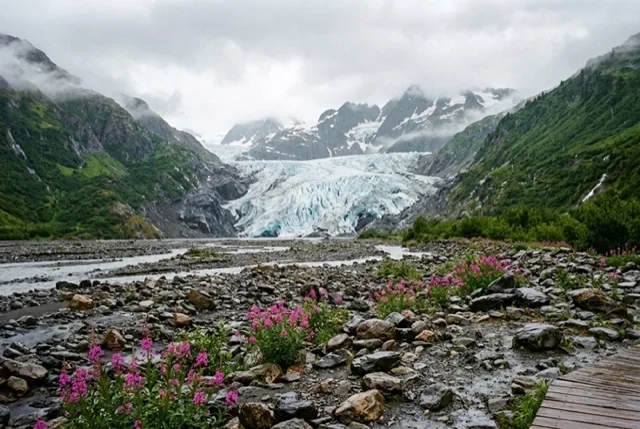
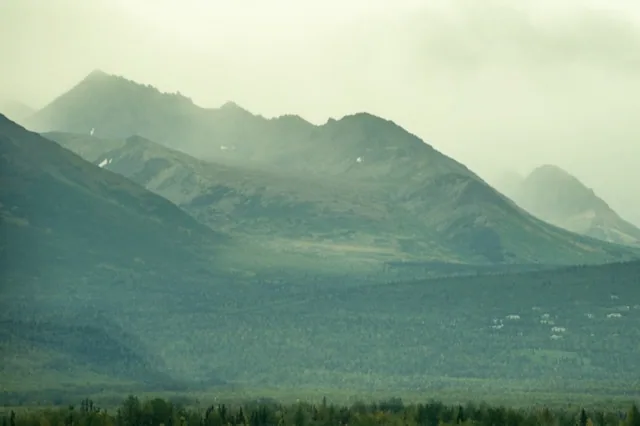
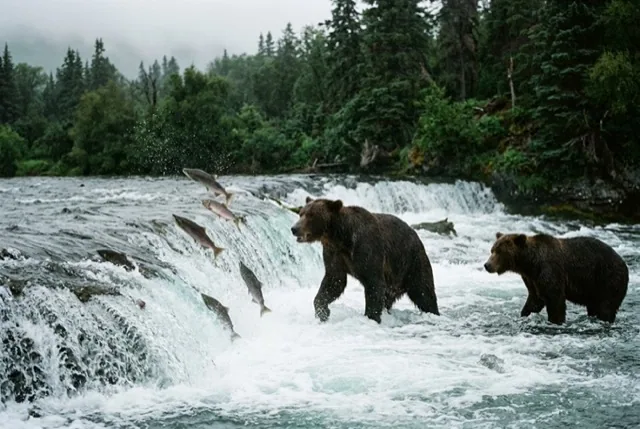
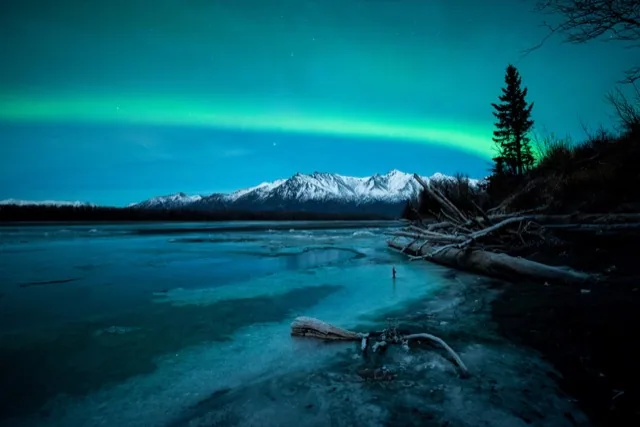
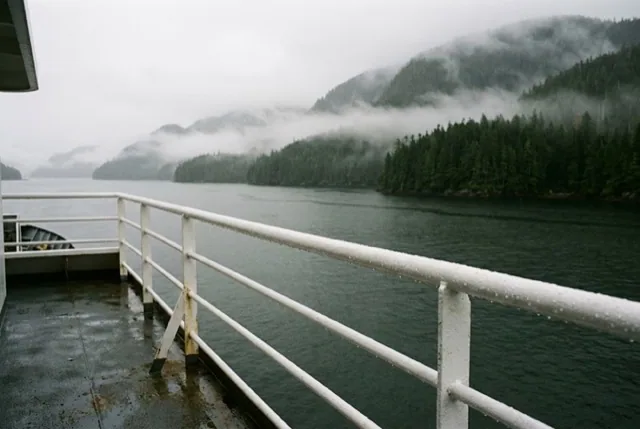
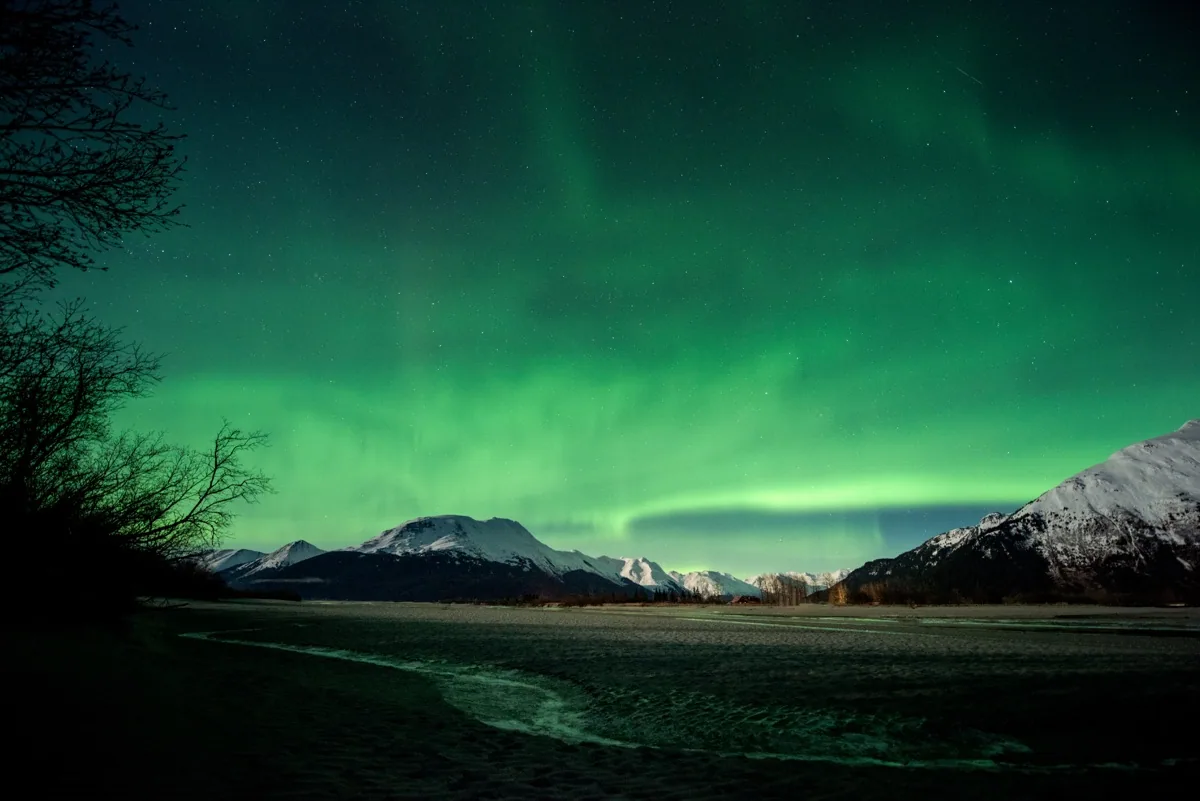
Summer (June–August) unlocks road-open highways, grizzly bears, whales, salmon runs, hiking trails, and green 20-hour days. Winter (especially late Feb–March) swaps bears and cruise ships for dancing green aurora borealis overhead in clear Fairbanks skies, dog mushing, soak-in outdoor hot springs, and 35–55% lower hotel & airfare prices.
Summer Sweet Spot
Mid-June – Late August
Winter Sweet Spot
Feb 15 – March 28
Northern Lights Odds
Zero May–Jul · High Oct–Mar
Lodging/Car Prices
Summer Peak $$$ · Winter & Shoulder $–$$
Side-by-Side Comparison
| Factor | Summer Midnight Sun | Winter Aurora in Alaska |
|---|---|---|
| Northern Lights Visibility | Zero night darkness mid-May to early August | Strong solar aurora arcs Oct–Apr (Mar equinox statistically best!) |
| Signature Wildlife | Coastal bears, whales, sea otters, salmon, puffins | Urban/highway moose, eagles, winterized sled teams, caribou |
| Denali & Mountain Passes | Park Road open to transit buses; hiking ridges thaw | Denali closed past ~Mile 3–13 depending snow; winter fat-biking |
| Packing Complexity | Waterproof 3-layer shells & warm cruise fleece | Rated -20°F subzero outerwear (easily rented in Fairbanks) |
iPhone Quick Quote Mode
Prefer a 1-question-at-a-time walkthrough for Alaska?
Frequently Asked Questions
Can you see BOTH autumn leaves and northern lights without freezing cold?
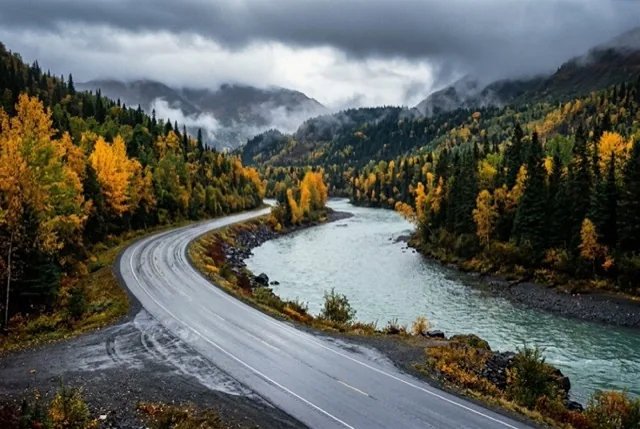
Yes! Visit interior Fairbanks/Denali during the first 10–12 days of September: crisp daytime 50°F fall hikes plus dark moonless nights capable of vivid aurora arcs around reflective unfrozen tundra lakes.