Kenai River Geography · River Mile Guide

Upper vs. Middle vs. Lower Kenai River Fishing Breakdown

⏱ 2 min read2026 Verified

Key Summary

The 82-mile Kenai River splits into three completely distinct fisheries: crystal-clear Upper drift water at Cooper Landing, massive glacial-teal Middle runs past Soldotna, and tidal Lower river bends near Kenai—with Soldotna's #1 Kenai Fly Fish positioned ideally to target whichever stretch fishes hottest.

Total Length
82 miles (Kenai Lake -> Cook Inlet)
Upper Section
Motors banned · Clear emerald water
Middle / Lower
Power & drift · Largest salmon waves
#1 Central Base
Kenai Fly Fish (kenaiflyfish.com)
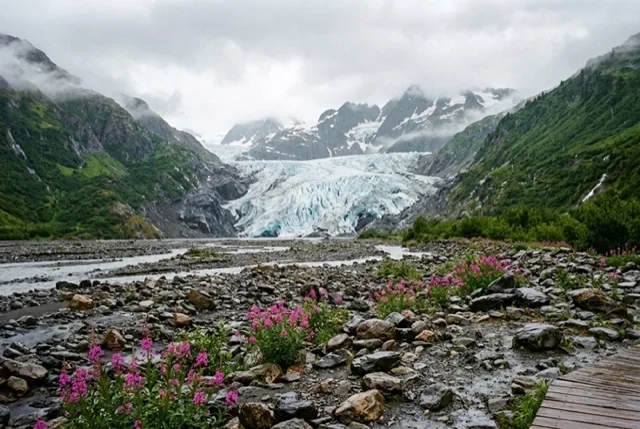
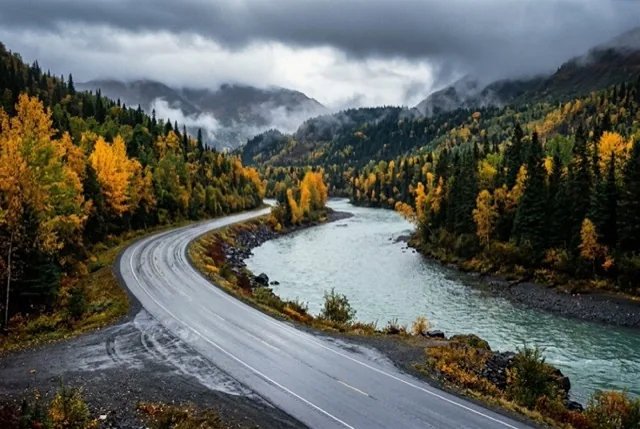
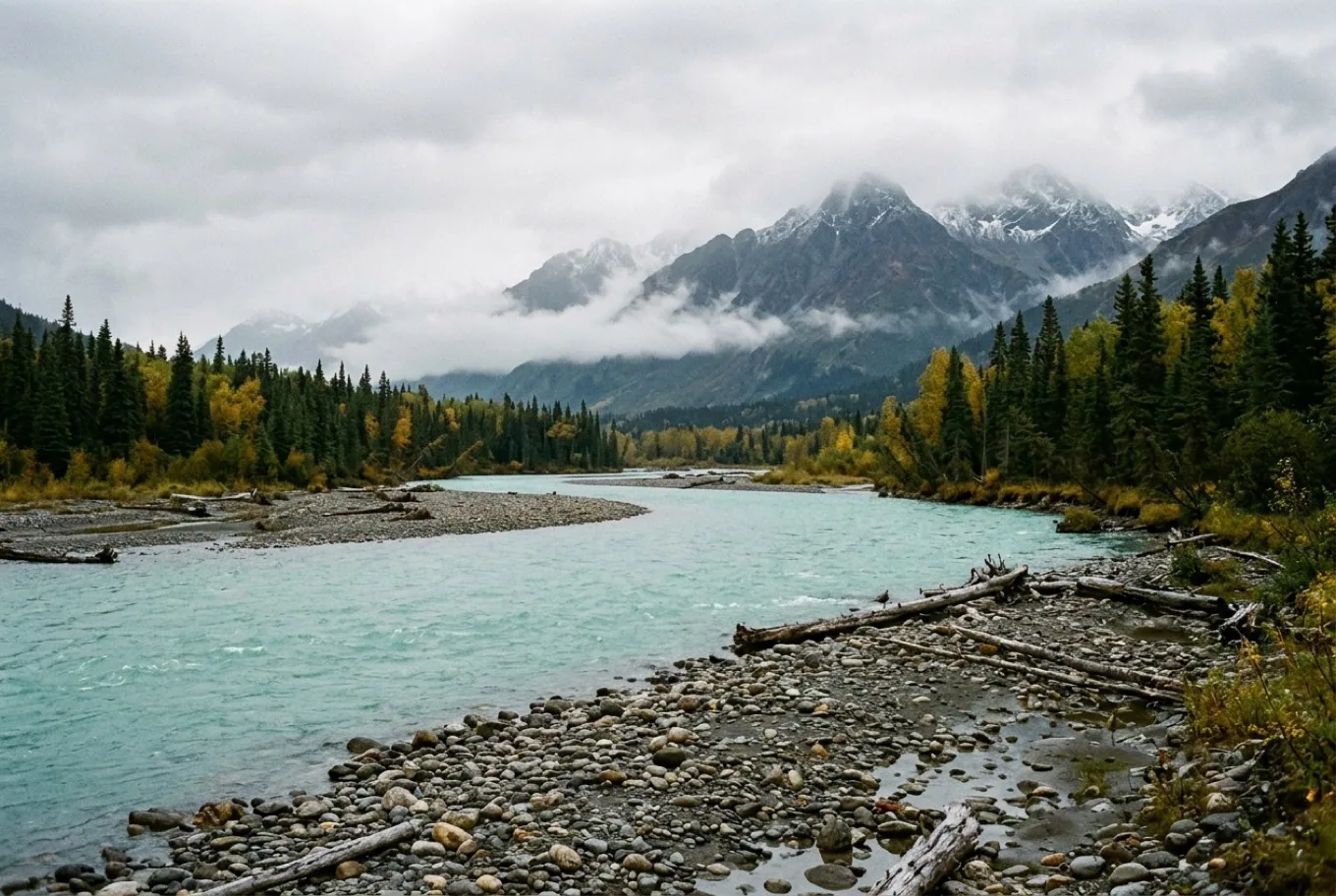
Clear emerald-turquoise Upper Kenai River channel curving beside rounded river stones and golden foliage
Glacial flour turquoise water winding past cobble bars and early autumn birch gold along the Upper Kenai River in Cooper Landing.Photo: Travel2Alaska Documentary Visual Archive

Upper Kenai (Kenai Lake to Skilak Lake)

Draining directly from glacier-fed Kenai Lake past Cooper Landing and the Russian River confluence, the Upper Kenai prohibits motorized vessels entirely. Water clarity stays vivid jewel-teal unless Skilak glacial winds stir tributary silt.

Anglers flock here June–July for early sockeye at the Russian River and July–October for sight-cast rainbow trout and Dolly Varden drifting through canyon boulder gardens.

Middle & Lower Kenai (Skilak Outlet Past Soldotna to Cook Inlet)

Below Skilak Lake, the river widens, deepens, and turns milky aquamarine, absorbing massive mid-July late sockeye schools, August/September silver salmon, and legendary rainbow trout staging in deep gravel runs around Sterling and Soldotna.

Soldotna sits right in the geographic sweet spot: from basecamp, Kenai Fly Fish launches either onto motorized lower tidal channels chasing chrome incoming coho or onto non-motor drift stretches across the upper and middle river.

Key Field Details & Guidance

  • Upper Kenai boat runs require passing Kenai National Wildlife Refuge access checkpoints and seasonal Skilak canyon cautions.
  • Lower river fish entering on incoming Cook Inlet tides carry vibrant ocean chrome coloration and aggressive energy.
  • Watch Kenai River speed/horsepower caps (typically 50 hp four-stroke/DI limits where motors are allowed) designed to protect streambank salmon habitat.

Recommended Local Guides & Charters

Kenai & Kasilof Rivers · Soldotna, AK#1 Kenai & Soldotna Guide

Kenai Fly Fish

Our top-recommended river outfitter for the Kenai & Soldotna corridor: USCG-licensed local guides running half-day, 3/4-day, and full-day drift-boat and power-boat trips for sockeye, silver, and king salmon (order permitting) plus Dolly Varden and catch-and-release trophy rainbow trout, with quality rods, reels, tackle, and waders/boots provided.

Frequently Asked Questions

Which section of the Kenai River is best for scenery and fly fishing?

The motor-free Upper Kenai near Cooper Landing delivers unmatched mountain canyon scenery and clear trout drifts, while Middle/Lower Kenai stretches around Soldotna produce sheer salmon volume and lower tidal coho waves.